Many photographers have numerous publications and advertising campaigns in their portfolios, but the recognition of colleagues in the profession, not to mention artists, is a rarity. In the view of Miriam Escofet, the author of the final official portrait of Elizabeth II, Alena Adrianova’s use of light is like that of a painter. Mark Roscoe, a member of the Royal Society of Portrait Painters, has said that Alena is able to find people’s good side and bring it out so that everyone can see it. Akcent UK learned how this British photographer of Ukrainian origin has managed to earn the respect of the masters, which prominent Britons she has worked with and how to look good for a business photo shoot.
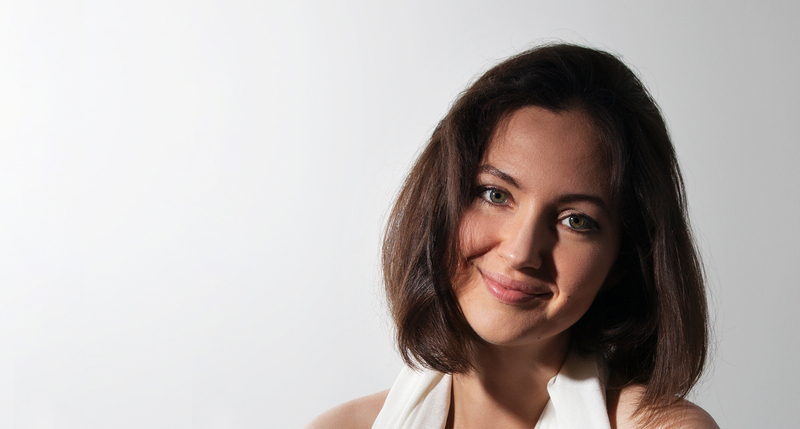
You became a professional photographer after having successfully started a career in finance. What drew you to make such an abrupt change in your life? What difficulties did you encounter when you began? How did London receive you?
In my student years, everyone was reading a book called Monkey Business by John Rolfe and Peter Troob. Investment banking was at the peak of its popularity. It had an almost romantic appeal to young people. I paid tribute to the zeitgeist, the same as everyone else. However, after a few spells in London, Kyiv and Moscow, I realised that the DCF and Bloomberg are not so exciting after all and that the corporate world is rather predictable, so, gradually, my interest shifted to photography. I started to photograph everything I saw; my colleagues at lunch, friends, relatives and all kinds of eccentrics at social events. I became inseparable from my camera. Quite unexpectedly, Australian Vogue published my portrait of the English interior designer David Carter. David saw fit to pose for a Ukrainian girl with a professional camera, and later, when preparing for a publication, he added my pictures to the works of famous photographers. The magazine preferred my photo, which they considered more original, and David immediately ordered another photo shoot. We decided that this was a sign and that my place was in art. This choice was spontaneous, and all my friends and relatives were stunned, but later the results of our collaboration appeared on the pages of all the world’s leading publications. A few years ago, BW Photography Magazine got in touch with me, asking for permission to put that same portrait of David on their front cover. But the fairytale soon ended, and, from then on, I increasingly heard the word ‘no’ rather than encouraging words. For me photography isn’t just a romance, it’s a lifelong love, so I don’t pay any attention to temporary difficulties. I’d like to say that, ten-15 years ago, a complete change of career was considered a bold step, but today doing so is not even a trend, it’s simply essential to survival in the current volatile conditions. Learn, diversify and discover new talents in yourself.
It’s an established fact that, in Britain, your profession determines how society receives you. How did people around you react to such a dramatic career change?
You’re alluding to the class system that existed in Britain in the 1950s. English society has long ago rejected this model in favour of egalitarianism and inclusiveness. The more creative, socially aware, emotionally developed, idealistic and educated you are, the more chances you have of success. London today is like the Viena of the 1910s, the Paris of the 1920s, or the New York of the 1960s. The doors are wide open for artists, thinkers, writers and musicians.
With the global transition to online ways of doing things, business portraits have acquired increasing popularity. What’s the secret of creating an ideal business look?
That’s really true. For example, according to LinkedIn statistics, profiles with photo portraits get 21 times more views and nine times more contact requests. Of course, anyone can take a selfie. The trick is to catch the person’s individuality and personal outlook. Usually, I use lighting to emphasise the person’s unique qualities. For a business portrait, there are a host of other criteria: you have to look confident, but not arrogant, authoritative, but not too strict, and you must exude optimism and well-being.
Businesspeople, media personalities and politicians. Is there a difference in the styling of business portraits? And who is it easier to work with?
‘A look and a flash…/reflection and light…/the shadow disappears - there’s no time’ the moment and eternity become one and the same. We keep our favourite photos all our lives and we even pass them on to the next generation. A portrait painter, like a psychologist, is often able to discover unexpected aspects of character, and help their subjects look at themselves in a different light and sometimes to rethink their internal world. While politicians and businesspeople are wondering if they should wear a tie, media personalities take off all their clothes to completely reveal themselves. This has happened before. But to be honest, the difference comes down to the choice of colour. The closer someone is to art, the more I can afford to play with shadows and highlighting. The most difficult ones are the type of business people who are perpetually in a hurry. They keep on doing their work in their heads. Still, this purposefulness and dynamism come out in their portraits.
You have photographed the most influential people in Britain. Which of your clients have made the greatest impression on you and why?
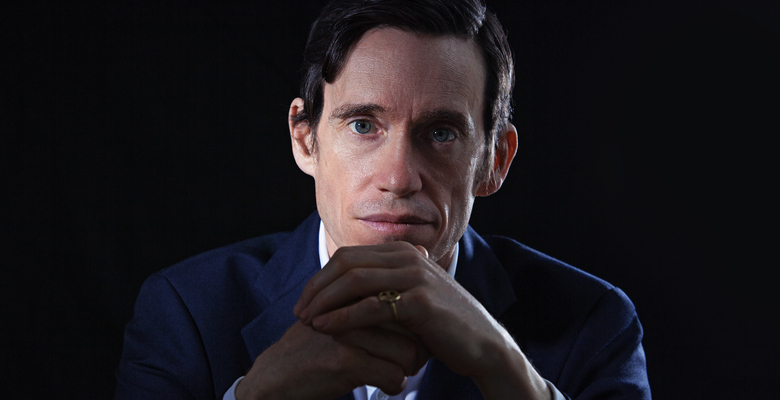
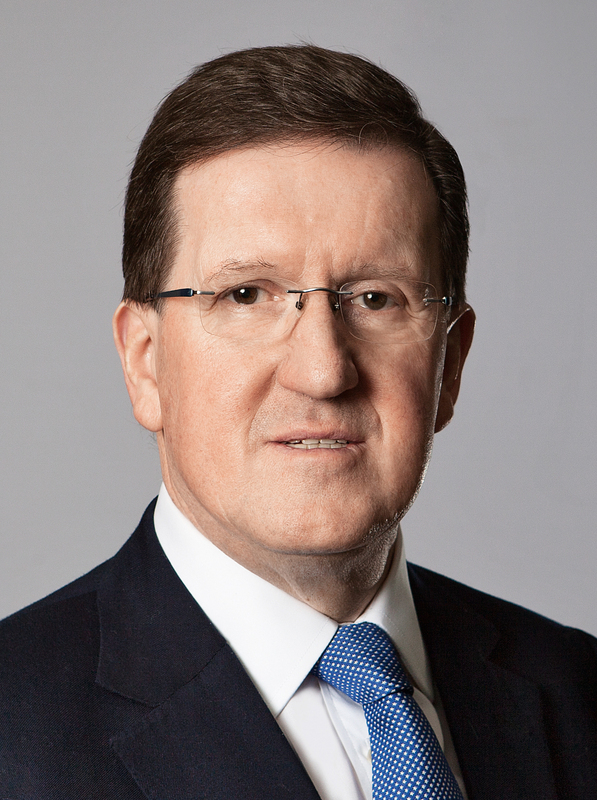
I really value versatility. Imagine a person who speaks ten languages, writes bestsellers, films programmes (my favourite, by the way, is about Lawrence of Arabia), does charity work, is into conservation and protection of the environment, teaches at Yale University, as well as being a military man, a politician and a diplomat. Rory Stewart is all of this. During our photo shoots, I was struck by his awareness of the concept of Ma, or negative space. (I sometimes paint with Indian ink, and at that time Rory was creating a Japanese garden). I am also a great fan of Lord Robertson, his landscape photography is absolutely ingenious and he has a very subtle feeling for nature.
Are there any Ukrainian or British business people or politicians who you would like to work with?
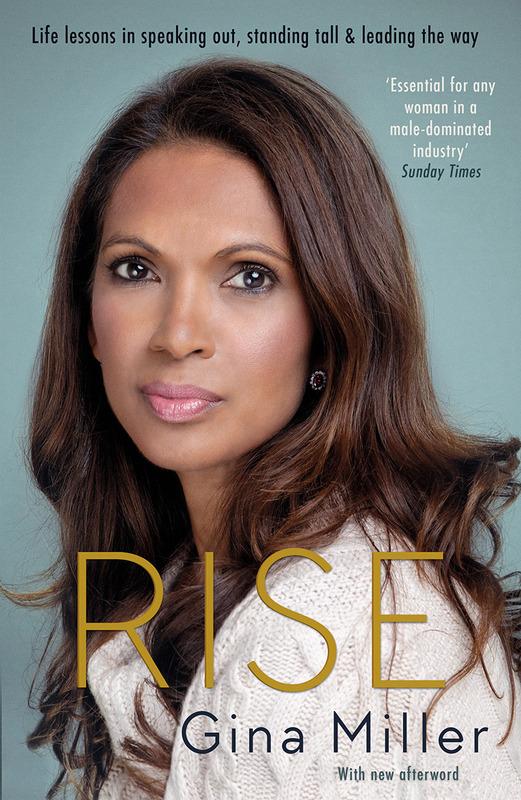
This year we celebrated the Platinum Jubilee of Elizabeth II, and now we have seen our beloved Queen off to the next world. In this context, I’d like to mention a prominent figure of her era, the innovator and inventor Sir James Dyson. I had the great honour of taking a portrait of this person, whose journey took him from working on improvements to a humble wheelbarrow in his garage to the creation of a leading global company with an annual turnover of six billion pounds. I am impressed by idiosyncratic and decisive personalities; over many years I have done corporate photography for the businesswoman and activist Gina Miller. Now I am planning to portray her uniqueness in a charcoal drawing.
Is there a difference between male and female perceptions of business portraiture?
Men have an easier time of it, as they are not burdened by unnecessary doubts and they don’t waste energy on fripperies; they spend 15 minutes for a photo in a jacket, ten minutes for a photo in a shirt, and that’s it, they’re ready. Those of the fairer sex aim for perfection and think through a great many details. Although over the last few years, the boundaries have become blurred, which, for me as a portrait photographer, can only be good news, as the real beauty lies in the person’s gaze. This is why I often ask women to put on simple monotone clothes, so as not to distract attention from their eyes.
Women from the countries of the Former Soviet Union, irrespective of their professions, often abuse filters and photoshop on social media. How does the British business world regard doctored photos?
That’s not a straightforward question, as it touches on gender stereotypes and the patriarchal structure of Eastern European countries, which, thank goodness, is quickly losing its relevance. British women prefer naturalness and effortless chic. It’s not cool to look like you’re trying too hard to make an impression.
What projects are you working on at the moment?
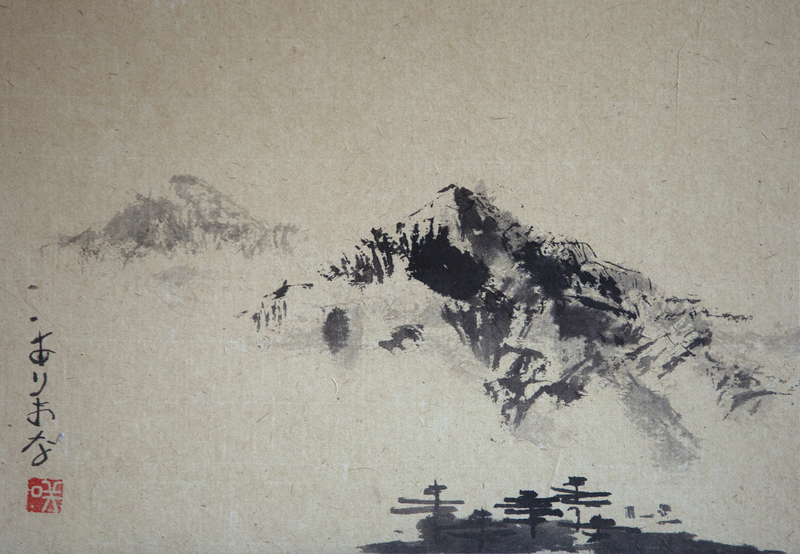
Over the course of my exhibition and collaboration with the Royal Society of Portrait Artists, the idea came to me to create a book with an analysis of the self-portraits of modern geniuses. I am sure that this publication will go down in the history of art, but it’s currently on hold due to funding issues. I would also like to dedicate more time to drawing; it helps me relax and gives me energy.
Do you believe that art and culture are above politics, especially at times of global geopolitical instability?
Most importantly of all, our children and their education are above politics. I would really like to see the appearance of more peacekeeping programmes designed to prevent and resolve conflicts without violence. One of the most popular initiatives in this area is an international organisation called Seeds of Peace, which organises youth camps with teenagers from regions of conflict. They focus on dialogue and cooperation, challenging the ideologies, politics and practices that cause conflicts. If the number of these organisations was comparable to the number of military academies around the world, they would be able to provide far more security guarantees than starting a war ever could.
As a professional photographer, what advice would you give to Akcent UK readers who want to look good in photoshoots?
Avoid ‘closed’ poses (don’t cross your arms over your chest), and try to drop the idea of having a ‘better’ side of your face or of having a ‘trademark’ expression. Alcohol is off limits before a photo shoot, anything you’ve drunk can be seen straight away in your gaze, it’s better to drink sweet tea or hot chocolate. And the most important thing is to forget the phrase 'I’m not photogenic'. I can easily prove you wrong!